
Frequently Asked Questions
General Chiropractic
-
Your first visit includes a comprehensive consultation, discussing your health history, current concerns, and goals for care. Next, we will complete a thorough chiropractic examination to assess how your body is functioning. If deemed appropriate by the doctor, you may also receive your first gentle adjustment during this visit. Our goal is to create a personalized care plan that supports your body’s natural ability to heal and thrive.
-
Chiropractic care focuses on the relationship between the spine and the nervous system. By using gentle, specific adjustments, we help remove interference so the body can function, adapt, and heal the way it was designed to do so.
-
Yes! Our mission is built around supporting the entire family unit. By regulating the nervous system, we help families adapt to daily stress and maintain overall wellness.
-
In order to provide high quality, personalized care we are a self-pay practice that does not accept any form of insurance. We can happily provide you with superbills for you to submit to your insurance for possible reimbursement.
-
Yes! Many people choose chiropractic care as part of their proactive approach to overall wellness. Chiropractic adjustments can help support healthy movement, posture, and nervous system function — even when you’re not experiencing pain.
-
Adjustments are customizes to each individual and their needs. Techniques utilized may include: Diversified, Thompson Drop, Activator Method, MC2, Sacro-Occipital Technique (SOT), and Cranial Adjusting.
-
We take care of each individual with a unique, customized, and individualized plan. There is no “one-size-fits-all” approach, and we will take the time to carefully work side-by-side with you to help you heal. Our goal is to help you reach a point of maintenance care, where regular check-ins or “tune-ups” support your continued balance and well-being.
Pediatric
-
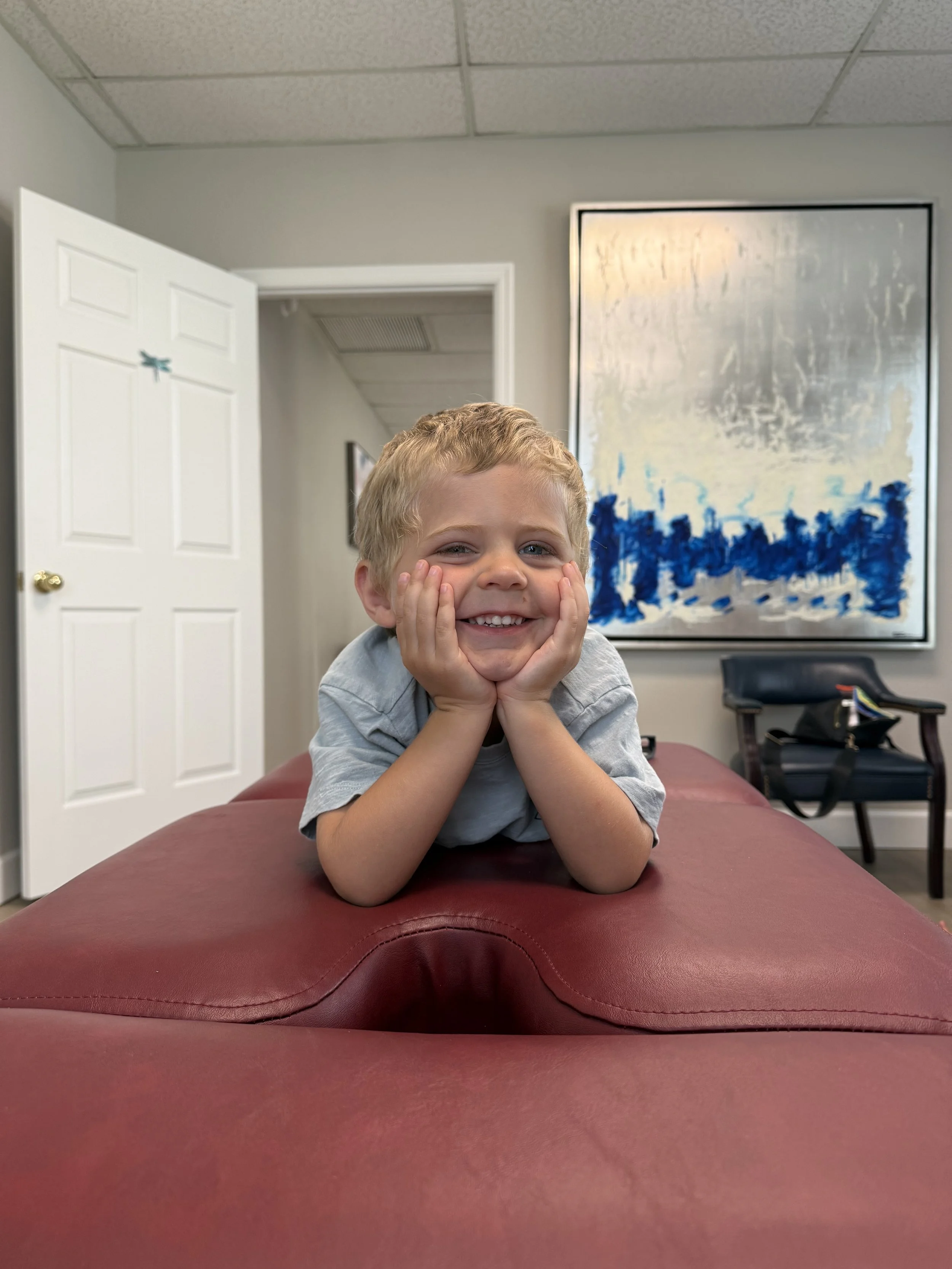
Yes! Pediatric adjustments are extremely gentle — using the pressure you use to check the ripeness of a tomato. With Dr. Wipperfurth holding Certification by the Academy Council of Chiropractic Pediatrics (CACCP), your child’s care is tailored to their specific needs.
-
The sooner the better! The youngest patients we have are just hours old! The sooner we can check their spine and nervous system, the faster they can begin thriving.
-
The birth process has a huge impact on a baby’s nervous system and can directly impact the baby’s neurological development into childhood. A study published in 2015 titled “Incidence of Somatic Dysfunction in Healthy Newborns” found 99% of newborn babies had at least one level of misalignment in their spine shortly after birth.
Prenatal
-
The Webster Technique is a specific chiropractic analysis and adjustment that reduces interference to the nervous system and balances mama’s pelvis in preparation for birth. This balance supports pelvic alignment, reduces tension, and may create optimal space for baby to move and position properly—helping moms experience greater comfort and promoting an easier, more natural birth process. Although many pregnant women are aware of this technique for breech babies, it is beneficial for all pregnancies and baby presentations.
-
No, but utilizing the Webster Technique helps relax the nervous system and balance the pelvis. This may reduce tension and torsion on the uterus providing more space for baby to move into the optimal position.
-
The sooner the better! The body changes quickly during pregnancy. Your center of gravity changes, and the hormone relaxin is released — making the pelvis less stable.
Postpartum
-
During pregnancy and childbirth, your body goes through many physical changes. Postpartum chiropractic care focuses on supporting recovery and balance in the spine and pelvis as your body adapts after delivery. Many women find this care helpful for improving comfort, posture, and mobility during the postpartum healing process.
-
Every person’s recovery is different. Some new mothers choose to come in within the first few weeks after birth, while others wait until they feel more physically ready. We will discuss your individual situation and collaborate with your healthcare provider, if needed, to find the best time to begin care.
-
Yes — chiropractic care for postpartum women uses gentle, specific techniques that are tailored to your body’s needs and comfort level. We will take into account your birth experience, recovery progress, and any unique considerations to ensure care is both safe and supportive.
Preconception
-
While chiropractic care does not treat infertility directly, it may support overall wellness by promoting a balanced nervous system, reducing tension, and proper pelvic and spinal alignment. Many people choose preconception care as part of a proactive approach to preparing their body for conception.
-
Yes! Preconception care isn’t just for those who will carry the pregnancy. Partners may benefit from chiropractic care to support overall health, stress management, and optimal nervous system function, creating a healthier foundation for both individuals during the conception journey.
-
It is generally recommended to begin preconception chiropractic care several months before trying to conceive. Starting early allows your body to gradually balance and create a strong foundation for pregnancy.
Craniosacral Fascial Therapy
-
Craniosacral Therapy (CST) primarily works with the craniosacral system — which includes the membranes and fluid surrounding the brain and spinal cord.
Craniosacral Fascial Therapy (CFT) expands upon this by also addressing the fascial system — the connective tissue that weaves throughout the entire body. CFT combines principles of craniosacral work with gentle fascial release techniques to help ease strain patterns and support overall movement and function.
In simple terms, CST focuses more on the craniosacral system, while CFT includes both craniosacral and fascial components for a more integrated approach to supporting the body’s natural healing and balance.
-
A CFT appointment consists of gentle touch to release tightness throughout the Fascial system. You will lay, fully clothed, on the table. At times, you may feel some stretching or more of an active “unwinding” motion.
-
The craniosacral fascial system connects the brain, spinal cord, and the body’s network of fascia — the connective tissue surrounding every muscle, organ, and structure. Throughout life, our bodies experience various physical and emotional stressors, beginning as early as before birth. Over time, these experiences can influence how freely the fascial system moves and how the body functions as a whole.